
Staging Your Home to Sell
Staging your home to sell is a proven way to present your property at its absolute best and attract more buyers from the moment it hits the market. Rather than simply tidying or decorating, staging your home to sell is a strategic process that focuses on buyer psychology, space, flow, and first impressions — both online and in person.
In today’s Australian property market, where buyers make decisions quickly and most first impressions happen online, staging can play a critical role in how your home is perceived, how long it stays on the market, and the level of interest it receives.
What Staging Your Home to Sell Really Means
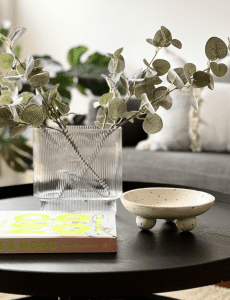
Staging your home to sell involves preparing a property for sale using furniture, artwork, lighting, and styling techniques to make it more appealing to potential buyers. The goal is not to reflect personal style, but to create a neutral, inviting space that helps buyers emotionally connect with the home.
Unlike everyday living, staging a house to sell is designed around how buyers move through a property, what photographs well, and how rooms are interpreted during inspections.
Staging a House vs Living in a Home
A lived-in home is shaped by personal habits and preferences. A staged home is carefully curated to highlight strengths, minimise distractions, and create a clear sense of purpose in every room.
Styling a House for Sale vs Full Home Staging
Styling a house for sale often works with existing furniture and décor, while full staging usually involves hiring furniture and accessories to transform vacant or under-furnished spaces. The right approach depends on the property, target buyer, and overall presentation.
How Staging Your Home to Sell Works
Staging your home to sell follows a structured process that ensures the property is market-ready and visually appealing throughout the sales campaign.
Property Assessment and Staging Strategy
The process begins with assessing the layout, light, property type, and buyer demographic. This helps determine the level of staging required and the best approach for the target market.
Furniture, Layout and Styling
Furniture is selected to suit the scale of each room and improve flow. Artwork, rugs, cushions, and accessories are layered to create warmth, define spaces, and guide buyers through the home.
Installation and Final Presentation
Once installed, the home is styled and refined to ensure it presents consistently for photography, online listings, and open inspections.
Who Staging Your Home to Sell Is For
Staging your home to sell is suitable for a wide range of properties and situations, not just high-end homes.
Vacant Homes and New Builds
Vacant properties benefit greatly from staging, as buyers often struggle to visualise room sizes and functionality in empty spaces.
Owner-Occupied Homes
If you’re wondering whether you should stage your home to sell while living in it, the answer is often yes. Partial staging or styling can reduce clutter, neutralise the space, and improve buyer appeal without requiring a full furniture replacement.
Townhouses, Apartments and Investment Properties
Staging a house can help smaller or similar properties stand out in competitive markets and appeal to buyers on an emotional level.
See Our Basic Packages
Benefits of Staging Your Home to Sell
Staging your home to sell offers clear advantages throughout the sales process.
Stronger First Impressions
Buyers form opinions within seconds. Staging ensures those first impressions are positive and memorable.
Improved Online Presentation
A staged home photographs better, increasing engagement on online listings and encouraging more buyers to attend inspections.
Clearer Use of Space
Staging a house helps buyers understand room purpose, scale, and layout, making the home feel more functional and welcoming.
Increased Buyer Interest
By removing distractions and highlighting key features, staging helps buyers focus on the potential of the property rather than its flaws.
Staging a House to Sell vs Selling Without Staging
Homes that are not staged can appear smaller, cluttered, or harder to visualise. Buyers may focus on what needs fixing rather than what works well.
Home staging to sell a house helps control the narrative by guiding how buyers experience the property and what they remember after leaving.
Important Things to Consider Before You Stage Your Home to Sell
Before staging your home to sell, it’s important to consider a few practical factors.
Target Buyer and Market Conditions
Staging should reflect who the likely buyer is and what they value, whether that’s low maintenance living, family functionality, or modern design.
Timing of the Sales Campaign
Staging is most effective when aligned with professional photography and the full marketing campaign to ensure consistency across all buyer touchpoints.
Level of Staging Required
Not every home needs full staging. Some properties benefit from light styling, while others require a complete furniture and décor setup.
Common Mistakes When Staging Your Home to Sell
Over-Personalising the Space
Personal items, bold colours, and unique décor can make it harder for buyers to imagine themselves in the home.
Incorrect Furniture Scale
Furniture that is too large or too small can distort the perception of room size and layout.
DIY Staging Without a Strategy
Attempting to stage a house without understanding buyer psychology and presentation principles can unintentionally highlight weaknesses rather than strengths.
Why Professional Staging Your Home to Sell Makes a Difference
Professional stagers combine design expertise with an understanding of buyer behaviour and market trends. They know how to present a property in a way that appeals to the widest audience and supports a strong sales campaign.
Staging your home to sell professionally is not about decorating — it’s about positioning your property effectively in the market.
Ready to Stage Your Home to Sell?
Staging your home to sell is one of the most effective ways to improve presentation, attract buyers, and support a successful sales campaign. Whether your property is vacant, owner-occupied, or newly built, the right staging approach can make a meaningful difference.
Enquire About Home Staging
Frequently Asked Questions