Understanding the Costs of Staging a House: A Comprehensive Guide
In the dynamic real estate market, staging a house can make a significant difference in attracting potential buyers and maximising your property’s value. Whether you’re preparing to sell your home or considering the investment potential of staging for a property flip, understanding the costs involved is crucial for budgeting effectively and optimising your return on investment (ROI).
The Importance of Staging in Victoria’s Real Estate Market
Victoria’s real estate market is competitive, with buyers seeking not just a house but a lifestyle. Staging helps evoke emotions and create a connection with potential buyers, showcasing a property’s full potential. In a visually-driven market where first impressions are paramount, staging can elevate your home above the competition, leading to quicker sales and potentially higher offers.
Factors Influencing Staging Costs
Several factors influence the cost of staging a house, including:
- Property Size and Layout: Larger homes or properties with complex layouts may require more furniture and accessories to stage effectively, thus increasing costs.
- Quality of Staging: The quality and style of furniture and accessories used for staging can vary significantly, impacting both the aesthetic appeal and the overall cost.
- Duration of Staging: The length of time your property remains staged can affect costs. Longer staging periods may incur higher fees.
- Professional Services: Hiring professional stagers or interior designers can add to the overall cost but often result in more effective staging and better outcomes.
- Location: Victoria’s diverse neighborhoods and market segments may have varying staging requirements and associated costs.
Typical Costs Breakdown
1. Consultation Fees
Before staging begins, many homeowners opt for a consultation with a professional stager or designer. This service typically includes a walkthrough of the property, recommendations for staging improvements, and advice on furniture placement and decor. Consultation fees in Victoria can range from $150 to $500, depending on the stager’s experience and the scope of the consultation.
2. Furniture Rental
The cost of renting furniture and accessories for staging varies based on the size of the property, the quality of furnishings selected, and the duration of the staging period. In Victoria, rental fees can range from $1,000 to $5,000 for a standard-sized home. High-end or luxury properties may incur higher rental costs.
3. Decor and Accessories
In addition to furniture, accessories such as artwork, rugs, pillows, and decorative accents play a crucial role in staging a house. The cost of decor and accessories can range from $500 to $2,000 or more, depending on the quantity and quality of items selected.
4. Professional Staging Services
Many homeowners choose to hire professional staging companies to oversee the entire staging process, from consultation to execution. Professional staging services typically include furniture selection, layout design, accessory sourcing, and installation. In Victoria, professional staging services can range from $2,000 to $10,000 or more, depending on the scope of the project and the level of service provided.
5. Additional Expenses
Other expenses to consider when staging a house in Victoria may include storage fees for existing furniture, transportation costs for rented items, and insurance coverage for staged furnishings. These additional expenses can vary depending on individual circumstances but are important to factor into your staging budget.
Tips for Cost-Effective Staging
While staging can enhance the marketability of your property, it’s essential to approach it strategically to maximize ROI. Here are some tips for cost-effective staging in Victoria:
- Focus on Key Areas: Prioritize staging key areas of the home, such as the living room, kitchen, master bedroom, and outdoor spaces, to make the most significant impact within your budget.
- Rent Wisely: Select rental furniture and accessories that complement the style and size of your property while staying within your budget. Opt for neutral, modern pieces that appeal to a broad range of potential buyers.
- Minimize Personalization: Remove personal items and clutter to create a neutral, inviting space that allows buyers to envision themselves living in the home. Minimalistic staging can be just as effective as more elaborate setups.
- DIY Where Possible: Consider tackling some staging tasks yourself, such as decluttering, painting, and minor repairs, to save on professional labor costs.
- Negotiate Fees: Don’t be afraid to negotiate fees with staging companies or seek multiple quotes to ensure you’re getting the best value for your money.
Conclusion
Staging a house in Victoria is an investment that can yield significant returns in terms of faster sales and higher offers. By understanding the costs involved and implementing cost-effective staging strategies, homeowners can maximize their property’s marketability without breaking the bank. Whether you’re preparing to sell your home or looking to increase its value for future investment opportunities, staging is a worthwhile endeavor in Victoria’s competitive real estate market.
Our Most Recent Articles
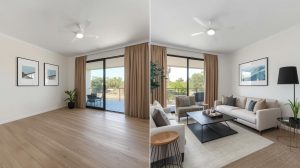
The Impact of Professional Home Staging vs. No Staging
How strategic styling helped one Melbourne homeowner attract more buyers, increase competition, and sell faster. 1. Background In a competitive Melbourne property market, presentation can…
The Benefits of Professional Home Staging
Selling a home can be a daunting task. It’s not just about listing it on the market and waiting for the offers to roll in.…
Maximise Sale Price with Expert Property Staging in Melbourne
When it comes to selling your home in Melbourne, making a lasting impression on potential buyers is crucial. One of the most effective ways to…